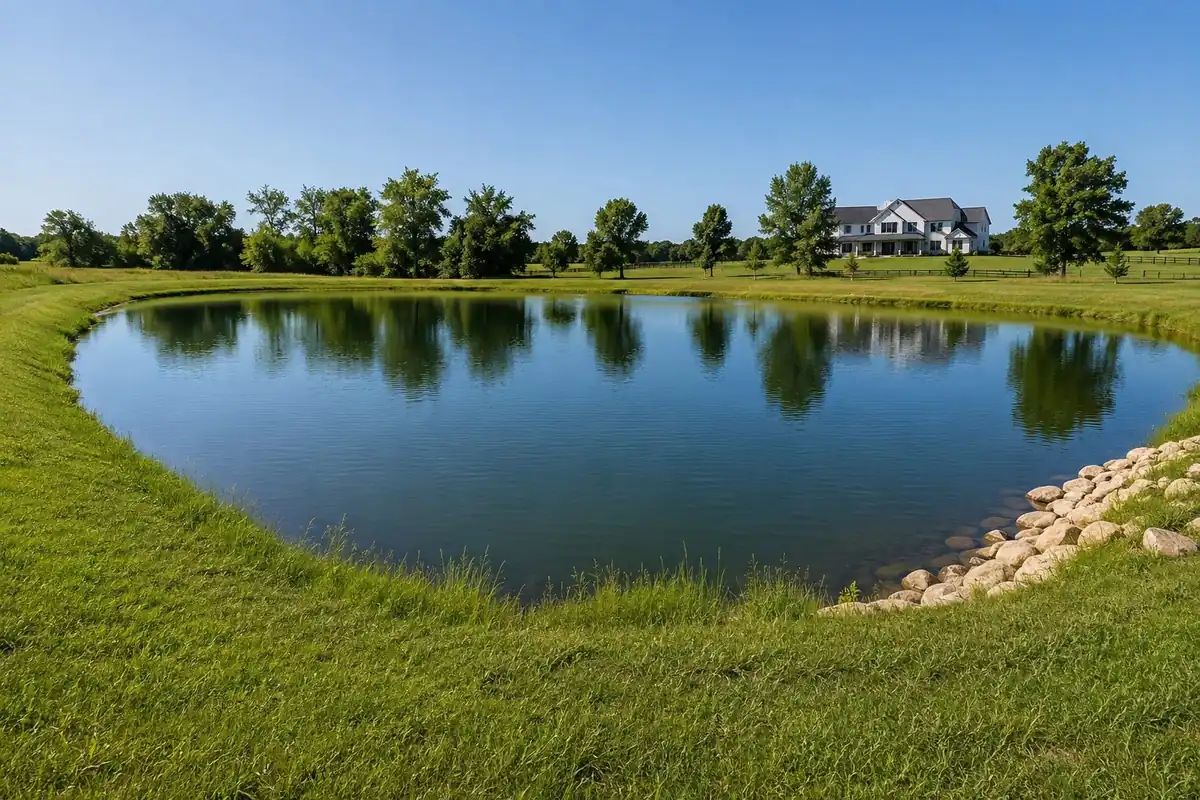
From Bare Ground to Finished Pond
Pond Construction for Tulsa-Area Properties
Start with the land, your goals, and a practical excavation plan.
From Bare Ground to Finished Pond
Start with the land, your goals, and a practical excavation plan.
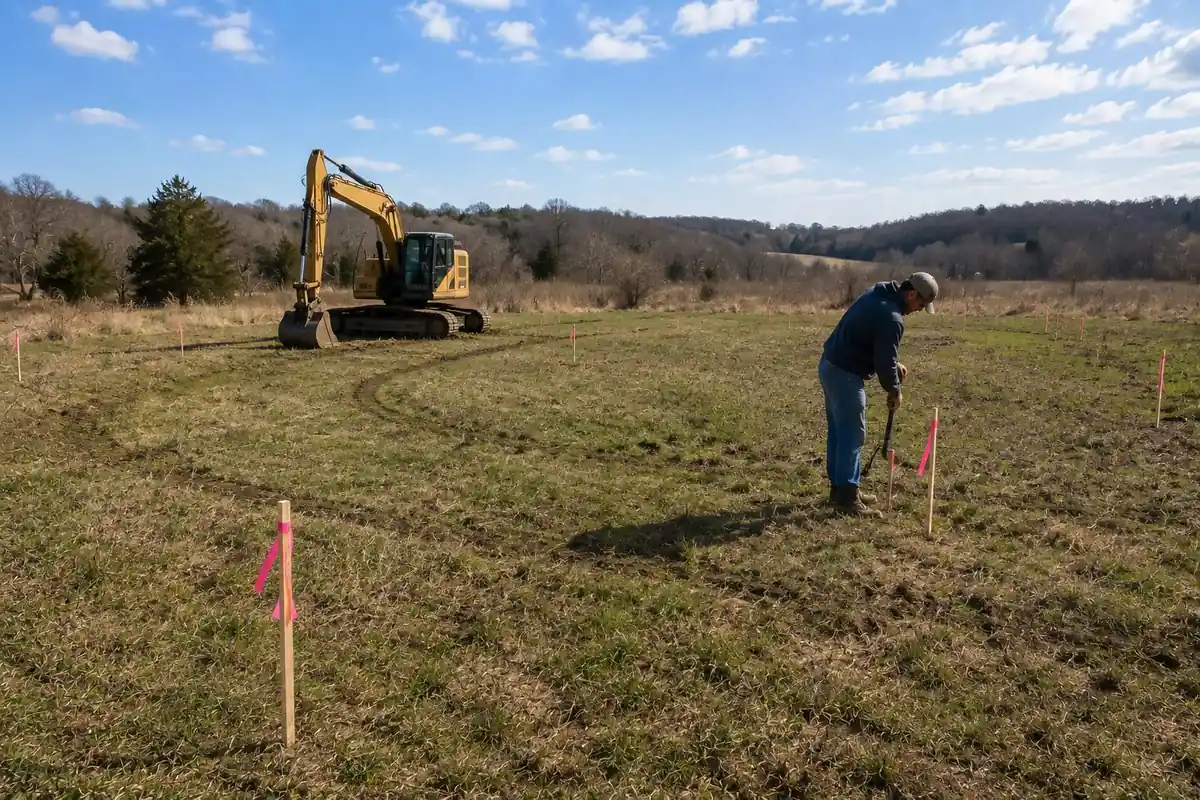
New pond construction starts by understanding the site before major excavation begins. Drainage, surrounding slope, soil, property boundaries, access for heavy equipment, nearby improvements, excavated material placement, and the intended use of the pond can all affect the construction approach.
Pond Construction Bixby provides new pond construction for acreage, farms, ranches, and rural properties throughout the Tulsa region. Fishing ponds, livestock ponds, recreational ponds, wildlife ponds, and general land-improvement ponds can all be planned around the conditions of the property.
Pond construction combines excavation, basin shaping, drainage awareness, bank work, material placement, and finish grading. The amount of earth moved is often one of the biggest factors in the scope. Pond depth, shoreline shape, slopes, access, and surrounding grades should work together so the finished pond fits both its intended purpose and the property.
Drainage, terrain, equipment access, surrounding improvements, working room, and potential locations for excavated material should be considered before digging. The intended use of the pond also matters. Fishing, livestock, recreation, wildlife, and general-purpose ponds can have different construction priorities.
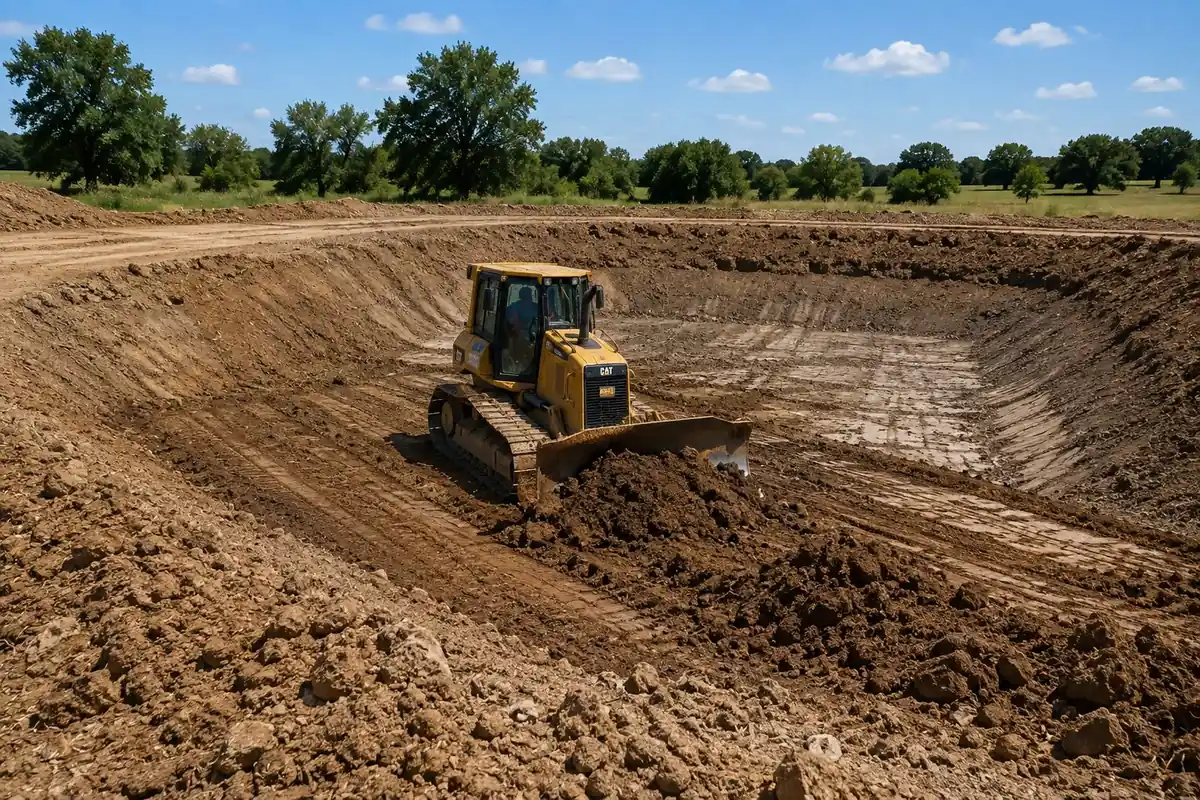
Excavation establishes the basin, depth, footprint, and general form of the pond. The amount of material moved depends on the existing terrain, intended size, soil, and desired finished profile. The basin is shaped as part of a larger earthwork plan that also considers equipment movement, material placement, banks, and surrounding grades.
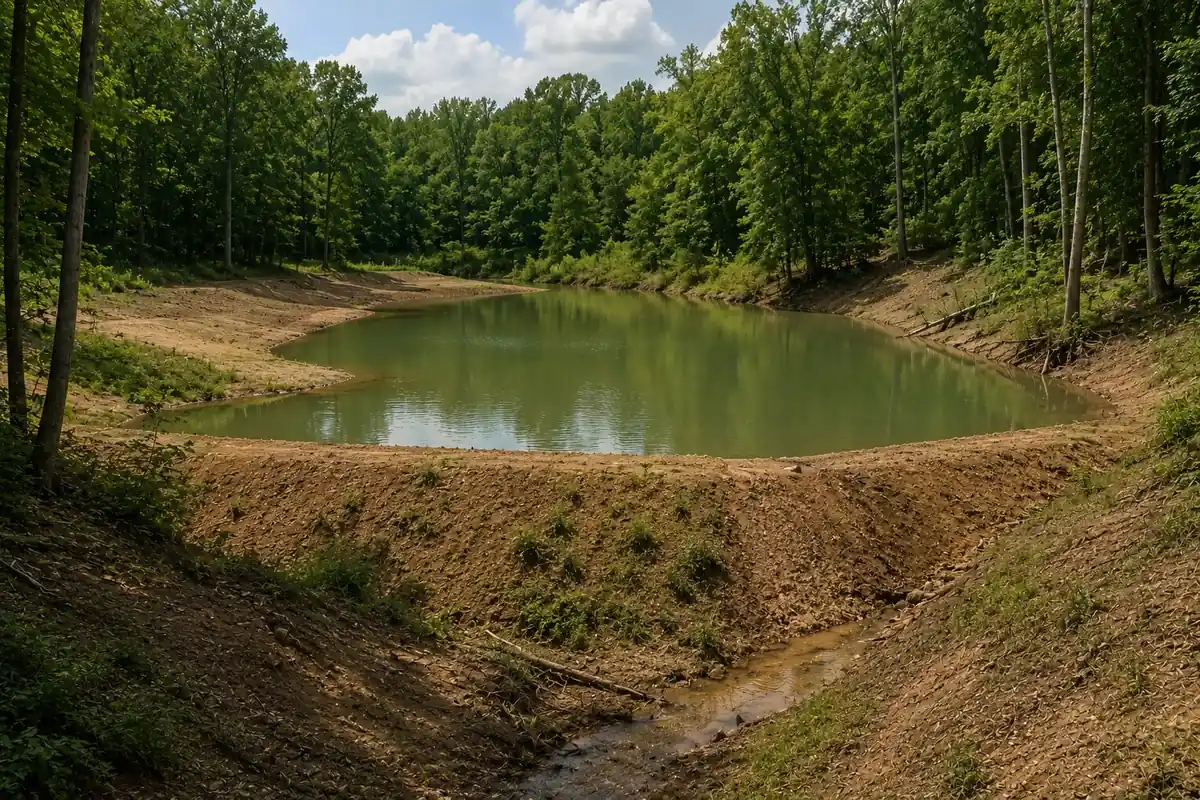
Depth and basin shape can be adjusted around the intended use and conditions of the property. Some ponds benefit from varied depths while others call for a simpler basin. The appropriate profile depends on site conditions, excavation volume, pond footprint, and the goals for the finished water.
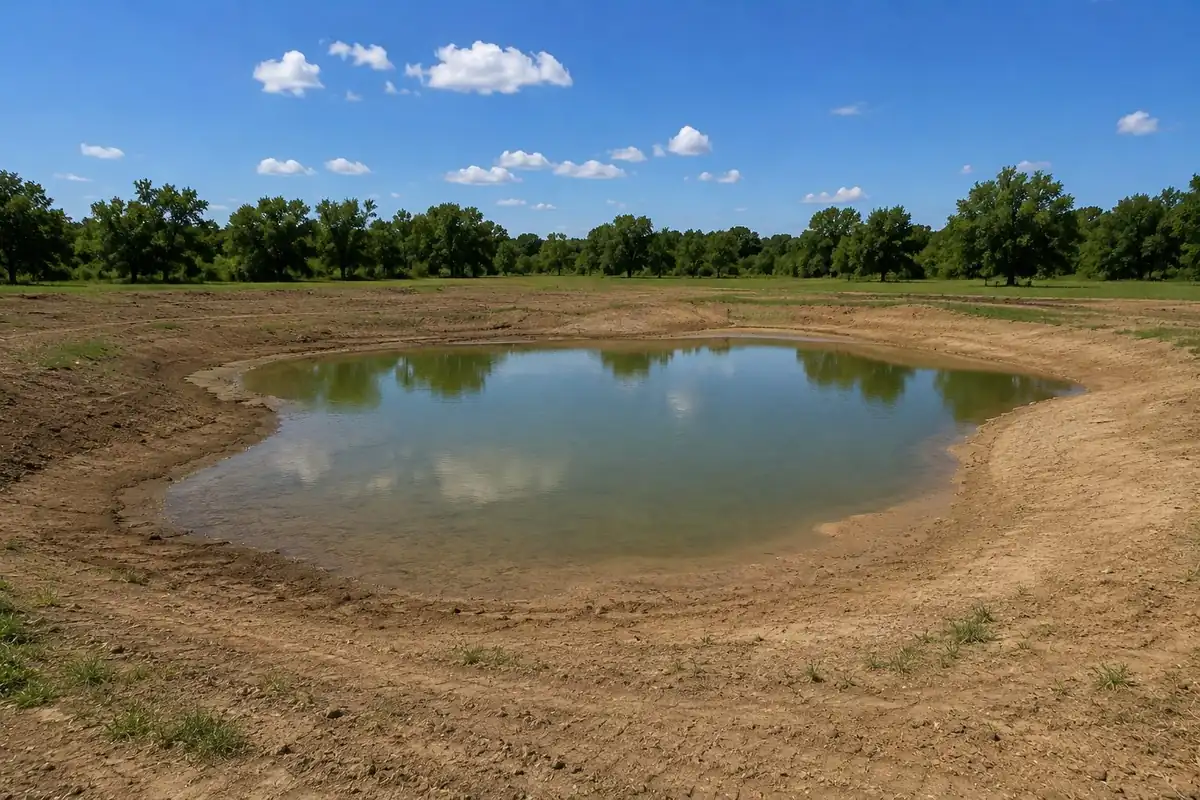
Pond edges affect appearance, maintenance, access, and usability. Banks can be shaped around the surrounding terrain and intended use. The appropriate slope and shoreline configuration depend on the property rather than a single standard design.
Excavated material may need to be incorporated into embankments, spread in designated areas, or used for other agreed grading. Material placement should be considered early because it can affect equipment time, access, finished grades, and overall project scope.
After excavation, disturbed areas can be graded so the major earthwork transitions sensibly into the surrounding property. The exact finish depends on the agreed scope and how the property will be used after pond construction.
| Service | Estimated Cost | Average |
|---|---|---|
| Pond site planning | Project-specific | Depends on site and scope |
| New pond excavation | Custom estimate | Varies by excavation volume |
| Basin and bank shaping | Custom estimate | Based on site conditions |
| Embankment work | Custom estimate | Based on material movement |
| Final grading | Custom estimate | Based on disturbed area |
Pond construction pricing depends on excavation volume, soil, access, clearing, embankment needs, drainage, material placement, weather, and final grading. Request a site-specific estimate.
The construction approach starts with the actual property conditions rather than a predetermined pond design.
The intended use helps guide decisions about depth, banks, basin shape, and access.
Excavated soil placement is considered as part of the project rather than after the basin has already been dug.
Equipment routes, surrounding grades, nearby improvements, and disturbed ground are considered along with the pond basin.
The anticipated excavation and grading work is defined around the property and project goals.
A stock pond needs reliable water, a stable overflow and a firm access point for livestock. A farm pond often doubles as irrigation, fire protection and wildlife habitat. A fishing pond needs depth variation and shoreline planning. We design each around the land and the job the pond has to do.
Depth matters more than most owners expect. See our guides on how deep a pond should be, what drives pond construction cost in Oklahoma and pond permits.
Ready to discuss a new pond? Request a property-specific estimate.
Free — no obligations
Start with the location, approximate pond size, intended use, proposed site, and known drainage or access details.
Terrain, drainage, access, surrounding improvements, material placement, and visible construction conditions are considered.
The anticipated footprint, excavation, basin shaping, bank work, and grading requirements are established.
Equipment access and the immediate work area are prepared as needed for excavation.
The pond basin, depth transitions, banks, and required earth-placement areas are formed.
Agreed final grading is completed around the pond and disturbed work areas.